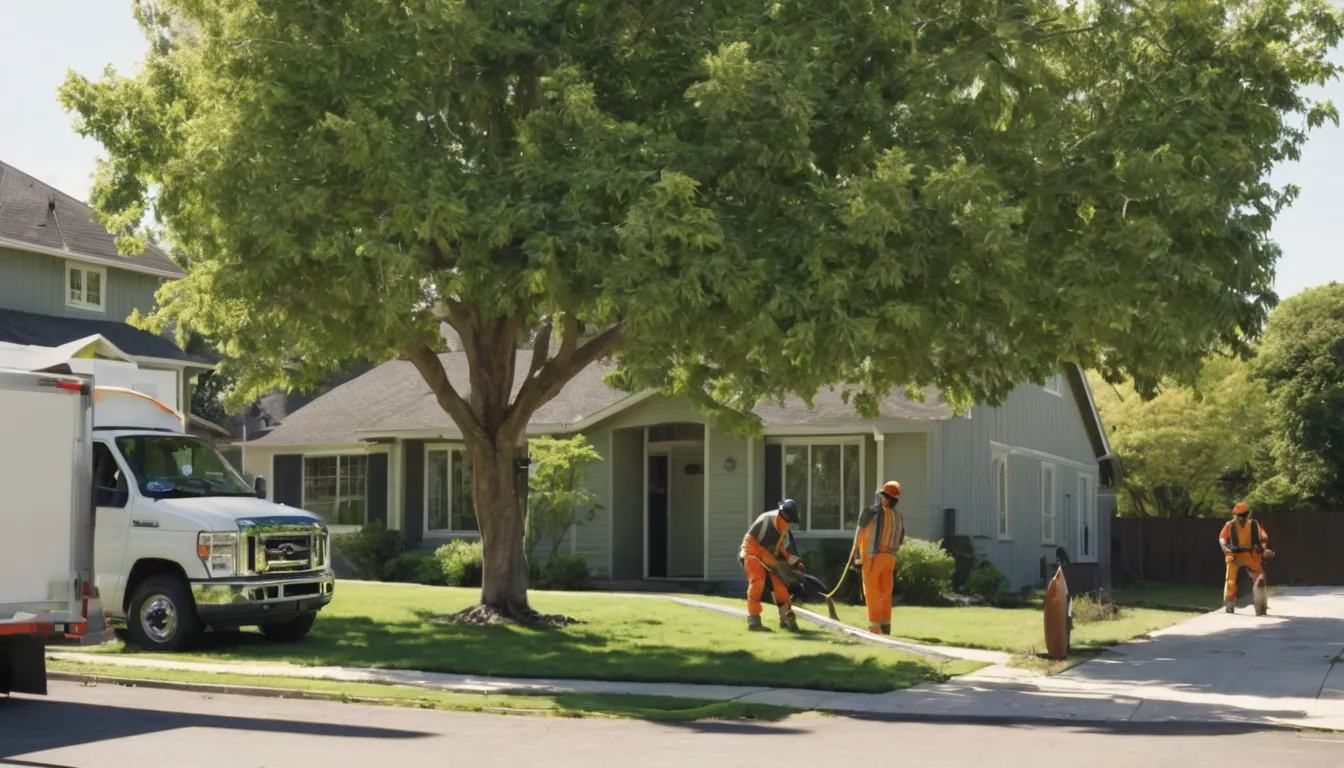
Tree Removal Services
Describe your tree, compare written estimates from independent local providers, and decide at your own pace.
Leaning, split, dead or fallen: a tree near your home needs a plan. Densityloves Tree Service connects you with independent providers in the St. Louis area. Describe the job, compare written estimates, and choose with no obligation.
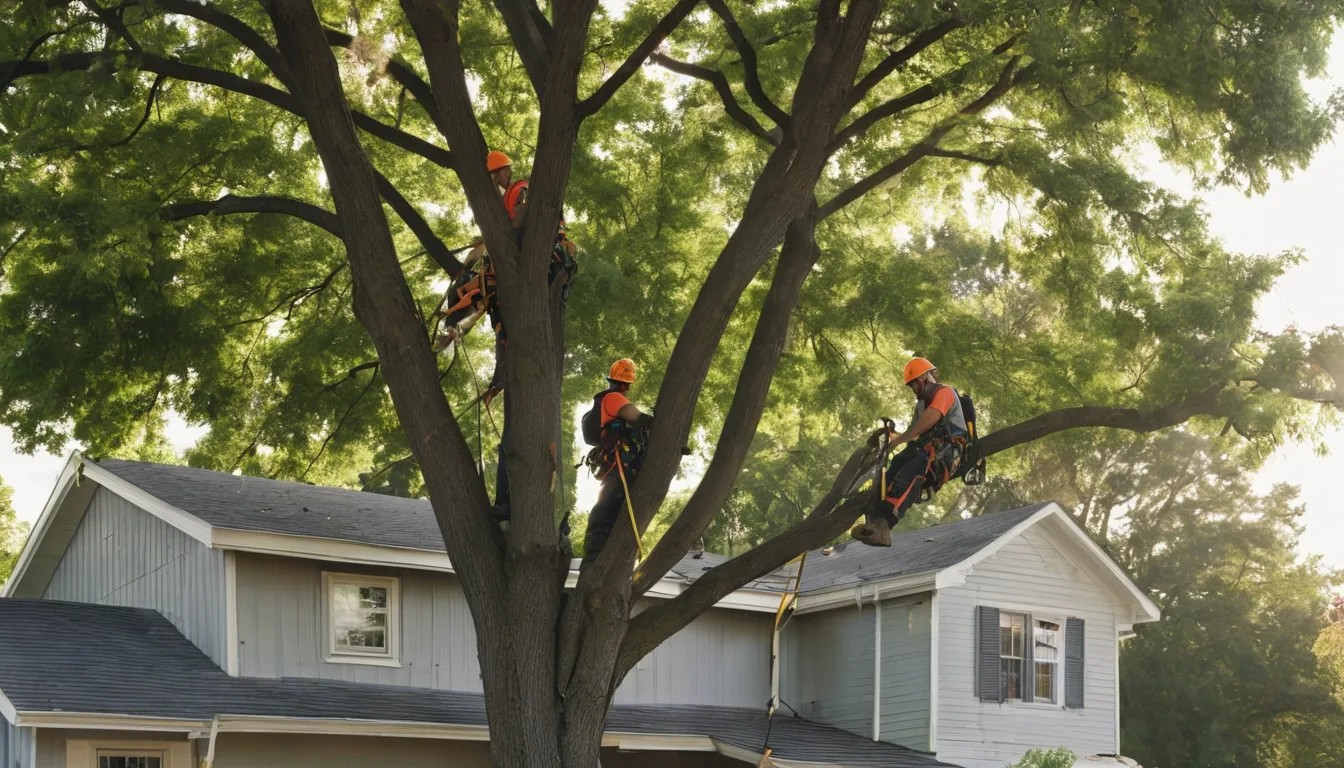
A tree that is leaning, split, dead or down needs a plan. This page gives you one.
Densityloves Tree Service is a referral service. It connects homeowners in St. Louis, MO with independent tree removal providers in our network. The providers do the work. Densityloves Tree Service helps you reach them and compare your options.
Here is the short version:
1. Describe the job. Note the tree, its size, and what it stands near. 2. Get matched. A local provider reaches out about your project. 3. Compare. Ask for a written estimate. Ask a second provider too if you like. 4. Decide. You are never required to hire anyone.
If a trunk or limb is resting on a house, a car or a power line, treat it as urgent. Stay clear and keep others away from it. Request a callback to check provider availability for emergency tree removal.
If the tree is not an emergency, take your time. Photos, a rough height and the tree's spot in the yard help providers write a more accurate quote.
First, describe the job. Use the request form, or Request a callback to check provider availability. Say what kind of tree it is, how tall it looks, and what stands close by. Houses, fences, sheds and wires all affect the plan.
Next, get matched. Densityloves Tree Service passes your details to an independent provider in our network that serves the St. Louis area. That provider contacts you to talk through the job.
Then, compare. Ask for a written estimate. If the job is large, get a second one. Lay them side by side.
Finally, decide. Pick a provider, wait, or walk away. There is no obligation at any step.
When two quotes arrive, check the same items on each:
The smallest number on paper is not always the full job. A short quote may leave out cleanup or hauling. Compare what is covered before you compare dollars.
Tree work costs vary with height, condition, access and the hazards around the tree. A written quote keeps everyone working from the same list.
Providers in our network serve St. Louis and the wider the St. Louis area. The housing here varies. You will find frame houses that are many decades old, bungalows, ranch homes and houses with full basements. Each one has its own tree concerns.
The weather shapes the work too:
When you request an estimate, tell the provider if the tree is near a foundation, a sump pump discharge line, a sewer line or a service wire. Those details change the method and the price.
Not sure whether your address is covered? Send the request and a provider will tell you. If your job is urgent, Request a callback to check provider availability.
Providers vary in what they handle, so a quick description helps. Mention the number of trees, the access to the yard, and whether you want the wood hauled away or left in pieces.
A cut tree still leaves a stump. Decide early whether to grind it or leave it. A stump that stays can sprout, attract insects and trip people. Stump grinding removes it below the surface so you can plant grass or a new tree.
Grinding leaves a pile of wood chips and a hollow. Ask the provider whether the chips are left or hauled away. Fill the hole with topsoil, tamp it down, and reseed once the weather allows.
A large tree takes up a lot of water. When it is gone, the ground can stay wetter, especially after spring flooding. Watch how water moves near the foundation and the sump pump discharge. Extend downspouts if puddles form.
Use this short list each season:
If one of these shows up, request an estimate before a storm does the deciding for you.
Thinning a crown and removing weak limbs lets wind pass through. It can reduce the chance of a tree falling during a thunderstorm or hail event. Have a qualified provider handle high or heavy limbs.
Deep frost can damage shallow roots. A layer of mulch, kept a few inches back from the trunk, helps. Avoid piling salt-heavy snow around the base.
Pick a tree that suits your lot. Check its mature height against the house, the wires and the neighbor's fence. Plant it away from the foundation and the sewer line.
In the U.S., small tree removal often runs a few hundred dollars. Large or hard-to-reach trees can cost well over a thousand. Stump grinding is usually priced per stump and by diameter. Emergency work may cost more. Prices vary by job, so get a written quote.
Some policies may cover sudden damage, such as a tree that falls in a storm. Check your policy. Providers can often help document damage for a claim, so take photos before anything is moved.
Ready to compare? Send a request with a few details about the tree, its size and the spot it stands in. A provider in our network will follow up, and you decide what happens next.
Prefer to talk it through? Request a callback to check provider availability for your job.
There is no obligation to hire. Compare your options at your own pace.
Densityloves Tree Service only makes the introduction. Independent local providers handle the cutting, hauling and grinding, and they explain their own methods and pricing.
Written estimates let you check scope, cleanup and stump grinding line by line before you choose anyone.
Request an estimate, read it, and take your time. You are under no obligation to accept any provider's offer.
Fallen limbs and hail damage are common in this region. Many providers can respond quickly to emergency tree removal.
Share the size, location and any damage or hazards. Photos help providers quote accurately.
Line up scope, cleanup and price. Ask questions about anything that differs between quotes.
Pick the one you trust. There is no obligation to accept any estimate.
Confirm the date, clear the work area, and plan upkeep for remaining trees.
Send a request or Request a callback to check provider availability for your tree removal, stump grinding or storm job in St. Louis.
No obligationThree kinds of jobs come through Densityloves Tree Service. Standard removal covers trees you want gone. Stump grinding handles what is left behind. Emergency work is for trees that have fallen or are about to. Choose the card that fits and request an estimate.
Describe your tree, compare written estimates from independent local providers, and decide at your own pace.
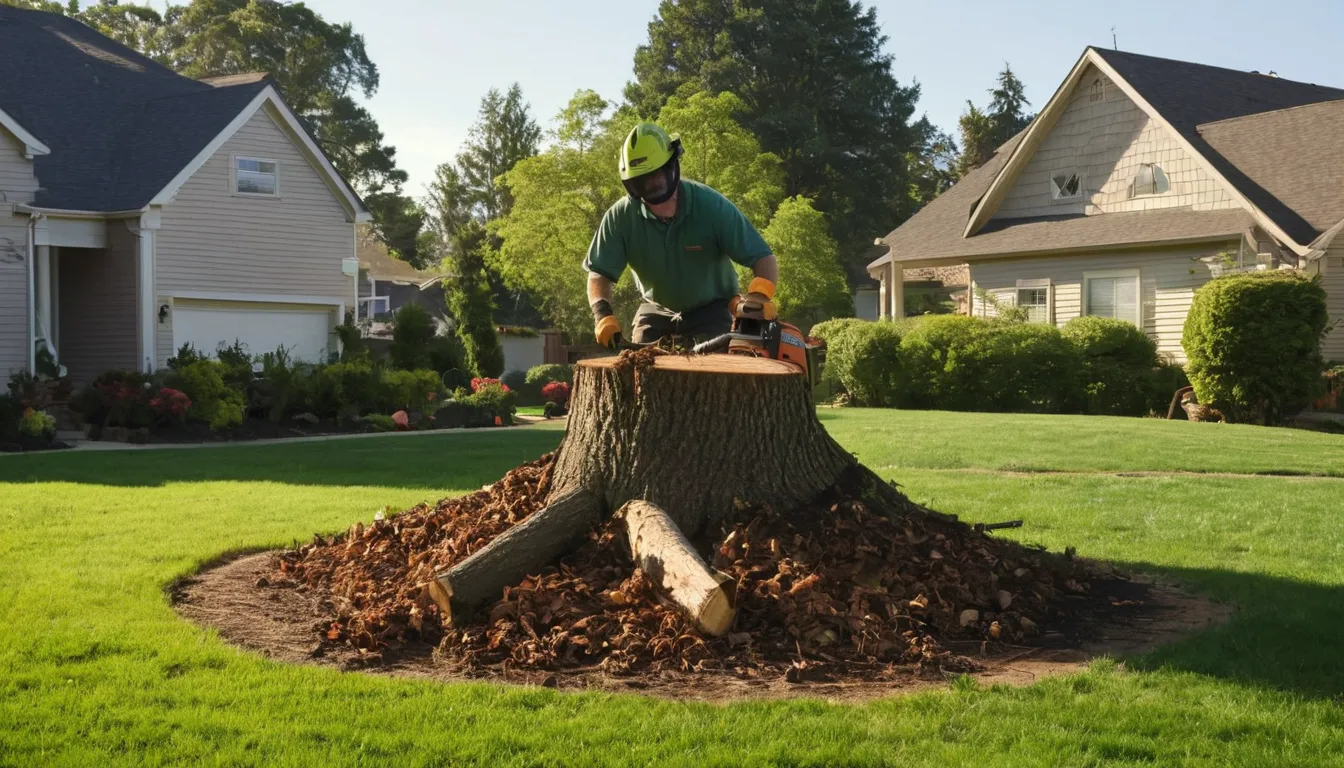
Compare written estimates from local providers, then choose how to deal with that old stump, with no obligation.
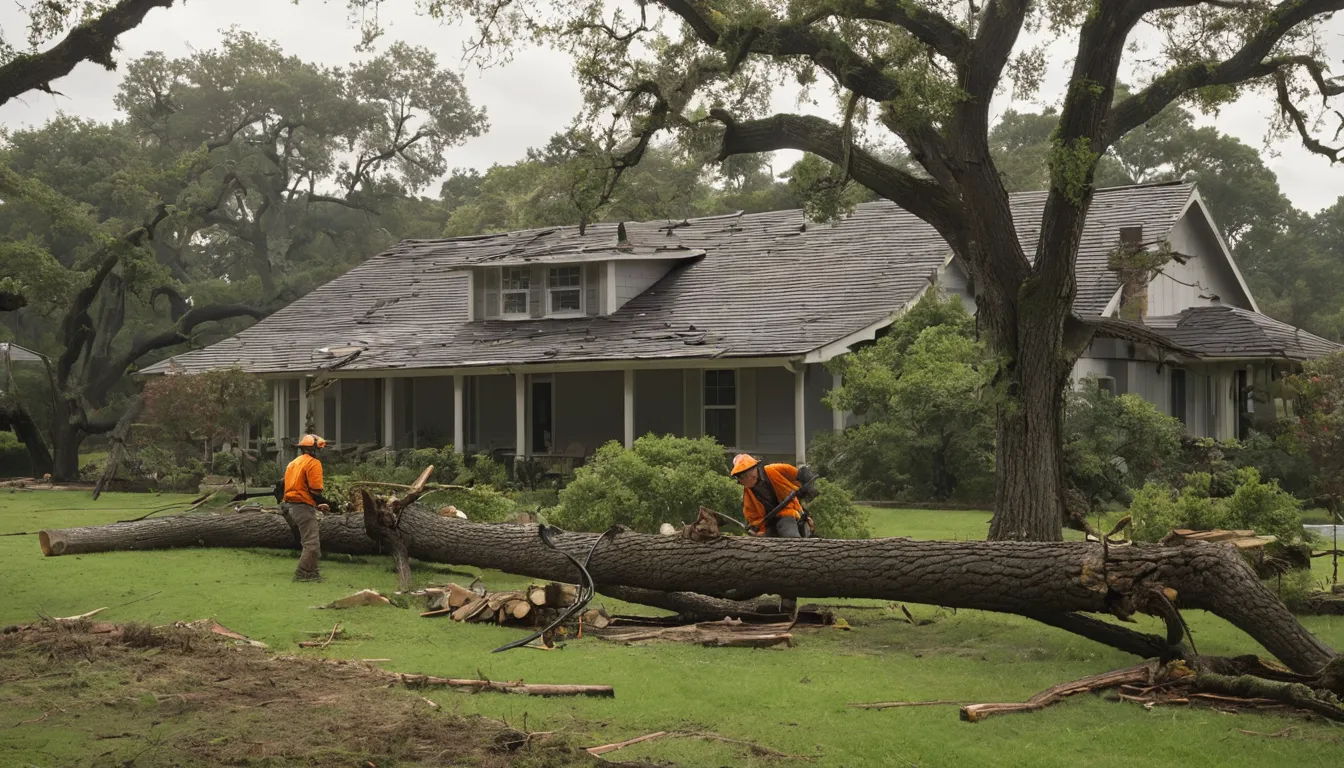
When a tree comes down, follow a clear order: stay safe, get matched, compare written estimates, then decide.
In the U.S., small trees often cost a few hundred dollars to remove. Large trees, tight yards or trees near a house can run well over a thousand. Emergency work may cost more. Prices vary by job, so ask each provider for a written quote and compare what it covers.
No. Densityloves Tree Service is a referral service. It connects homeowners with independent tree removal providers in the network. The provider you choose does the work, sets the price and agrees the schedule with you directly. You are not obligated to hire any provider.
Not always, but a leftover stump can sprout, attract pests and become a trip hazard. Stump grinding clears it below ground so you can plant grass or a new tree. Ask whether grinding is included or priced separately.
Some policies may cover sudden damage, such as a storm tree hitting a home. Check your policy. Providers can often help document damage for a claim.
First, move everyone to a safe area and stay away from downed wires. Next, take photos from a safe distance. Then Request a callback to check provider availability for emergency tree removal, and contact your insurer.
Send a request or Request a callback to check provider availability for your tree removal, stump grinding or storm job in St. Louis.
No obligation